Mon-Thu 8 am - 4.30 pm
Fri 8 am - 3 pm
Fri 8 am - 3 pm
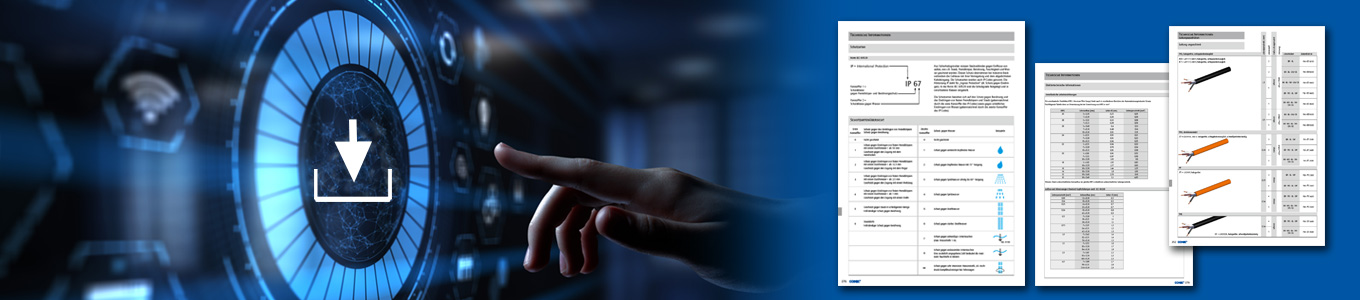
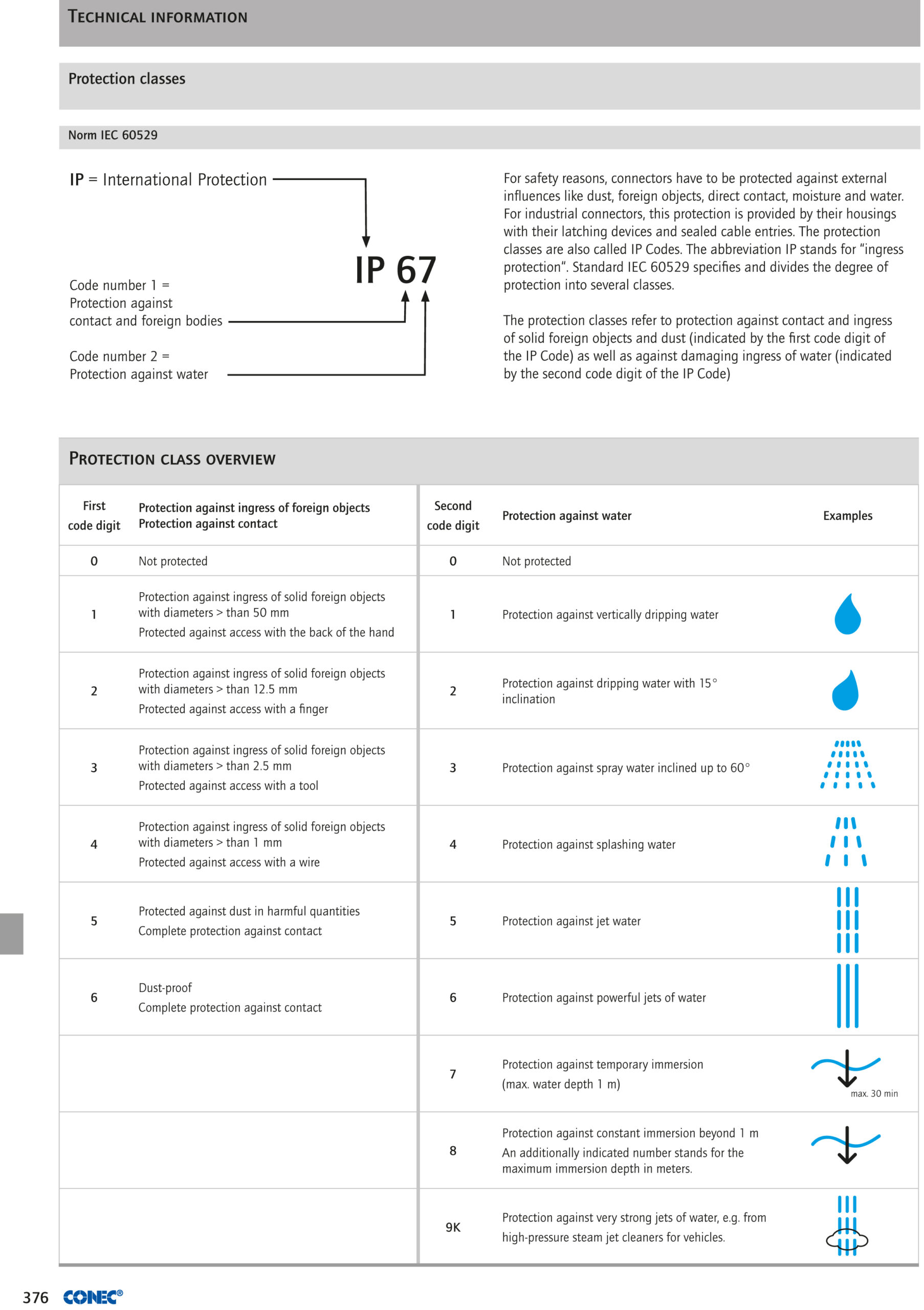
In many applications, electrical and electronic devices must operate safely in difficult environmental conditions for many years. Except for the admissible temperature range, corrosion, i.e. the resistance to aggressive media in industry, such as humidity, water, vapours, acids, lyes or fuels, represents a limitation for use. In addition, penetration of foreign bodies and dust as well as contamination with bacteria and viruses (in the medical industry) or mechanical stress by shocks must be prevented to ensure reliable operation and safe use. As to the appropriateness for various environmental conditions, the protected systems are classified in so-called IP codes. The abbreviation IP stands for International Protection. In English-speaking countries, the abbreviation is often also translated as Ingress Protection (protection against ingress).
D‑SUB combination connectors offer a versatile solution for applications that require multiple signal types within a single interface. By integrating different contact arrangements—such as power, coaxial, high‑current, or standard signal contacts—these hybrid connectors provide a compact and reliable way to manage complex connectivity needs. Their mixed‑layout configurations enable designers to reduce the number of required interfaces, optimize space, and enhance system performance, especially in industrial, communications, and automation environments. With their robust mechanical design and flexible contact options, D‑SUB combination connectors deliver both durability and adaptability, making them a preferred choice for demanding, multi‑functional applications.
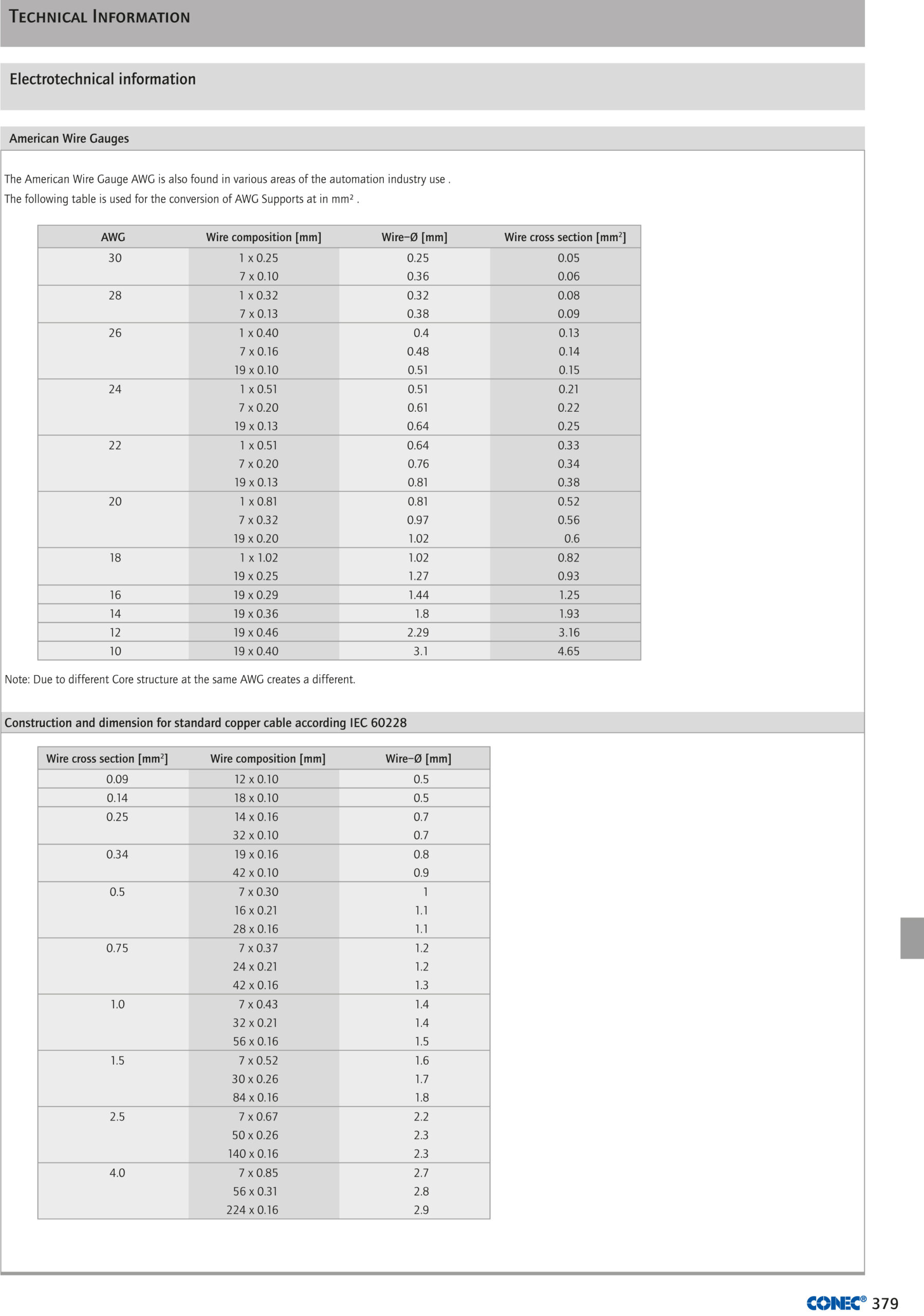
AWG (American Wire Gauge) is also used in many areas of the automation industry. The download below helps to convert parameters from AWG to mm²
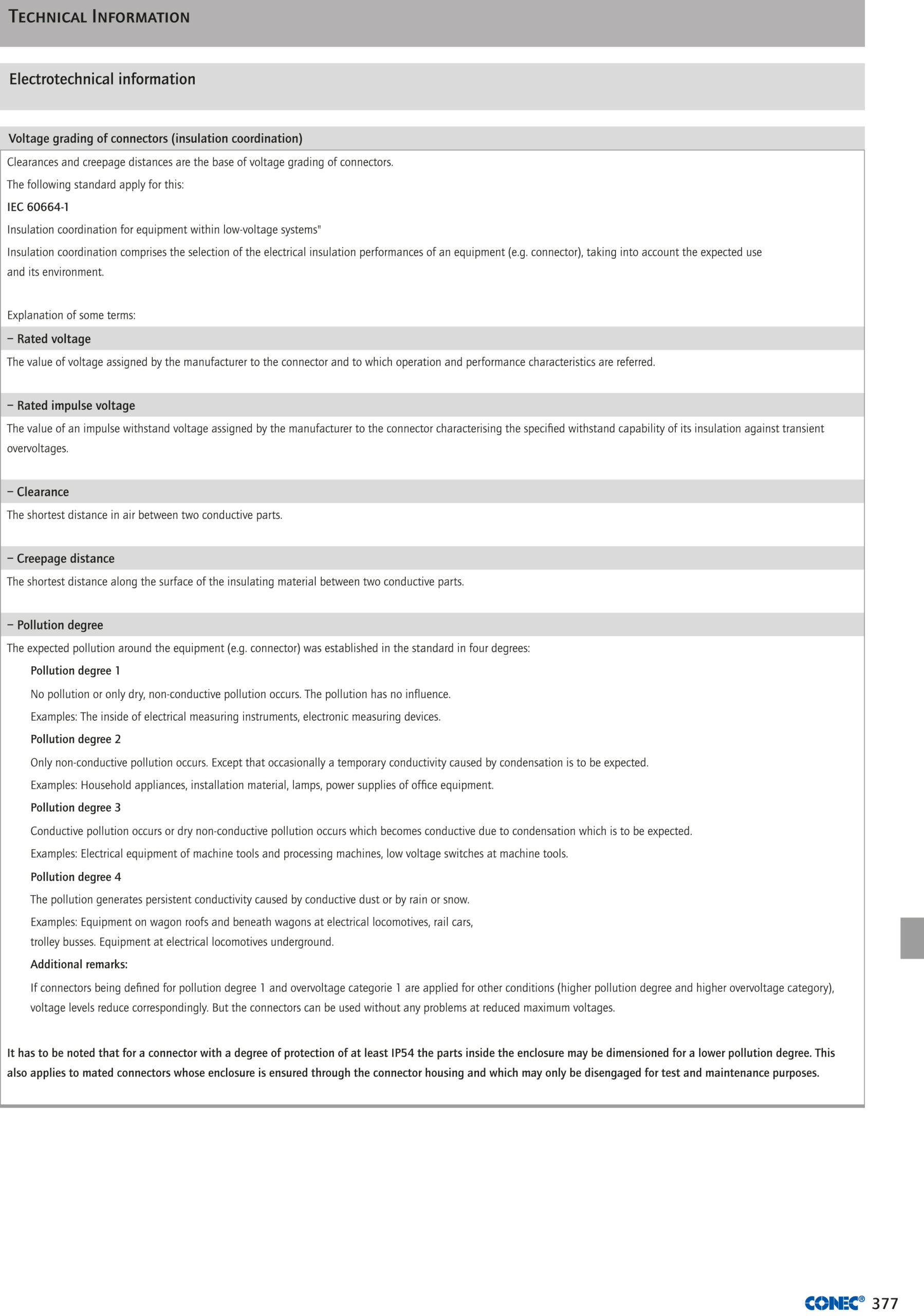
There are four degrees of classification for connectors as to the expected pollution. The following download provides an overview!